Under Support at Home, providers are accountable for care delivered by others, but many still manage associated providers through disconnected emails, PDFs and trust-based reconciliation. Connected Care brings proof-of-delivery, exception management and reconciliation into one auditable operating model.
Home and community care has always been delivered by an ecosystem. Even the most capable providers rely on associated providers; nursing agencies, allied health clinicians, equipment suppliers, transport, meal services and other specialist partners to meet demand and provide choice. The challenge is that the operating model that connects these parties has not kept up with the accountability expectations now arriving through Support at Home.
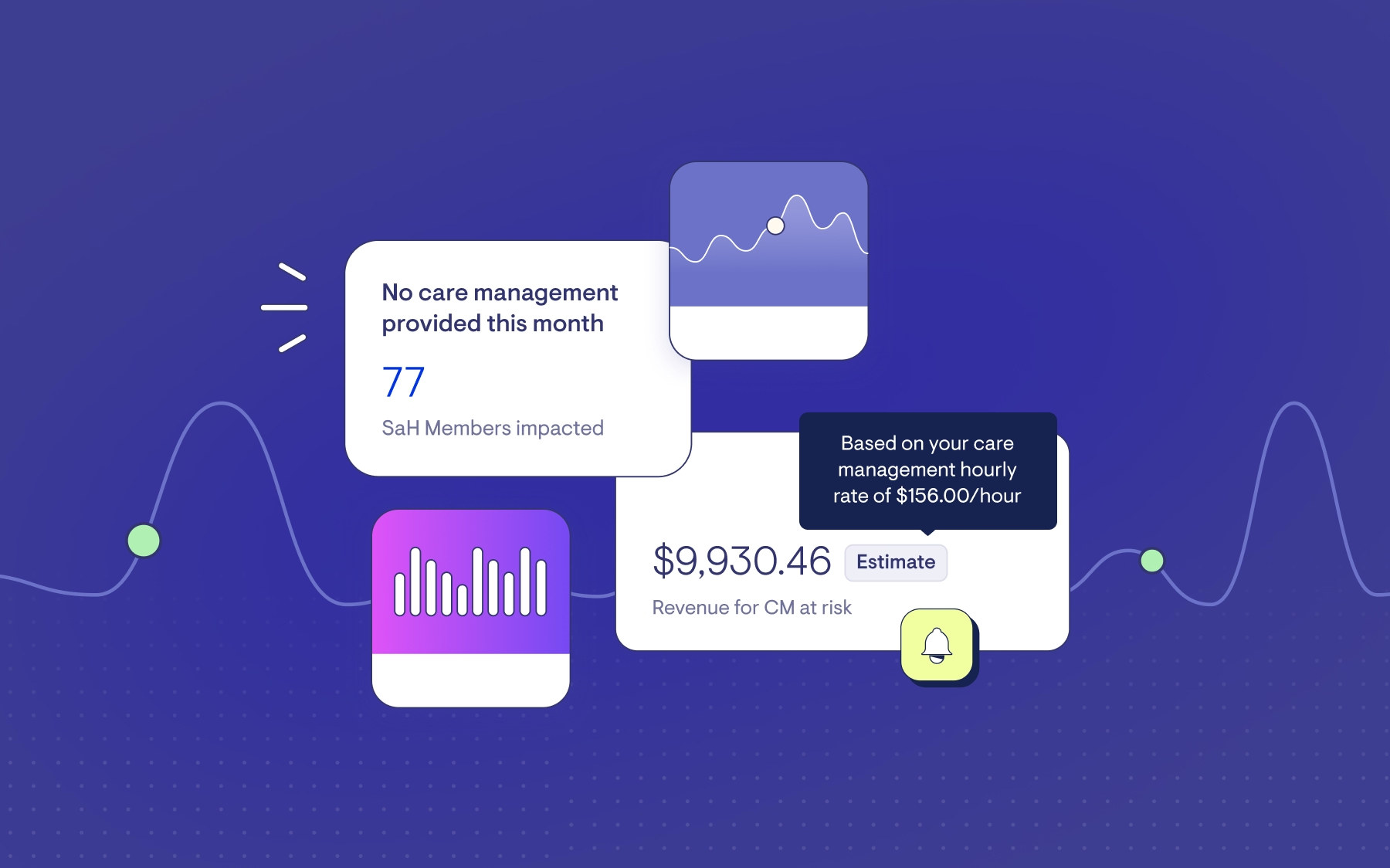
For many organisations, associated-provider work still runs on a patchwork of purchase orders, manual confirmations, and invoice chasing. It is slow, hard to audit, and difficult to explain to clients and families when something doesn’t happen as expected. Yet associated providers can represent a significant share of service delivery and expenditure. When visibility is low, the impacts are predictable: missed services that surface too late, trust-based invoicing that creates disputes, reconciliation that drags on for weeks, and leakage that quietly erodes margins.
The “next horizon” expectation is different: proof of delivery replaces trust-based reconciliation. Providers need to know, confidently and in near real time, what was delivered, by whom, when, and whether it met the intended requirements. They need to manage exceptions proactively (non-delivery, late delivery, cancellations) and they need an auditable trail that supports compliant claiming and clear communication. Importantly, this can’t require a wholesale rewrite of how organisations operate. The transition needs to meet providers where they are, while lifting the governance baseline.
Connected Care is Lookout’s response: an end-to-end operating model for working with associated providers that spans supplier selection, booking, confirmation, proof of delivery, exception management and invoice reconciliation. It brings third-party delivery into the same visibility and governance posture that many providers already expect from their direct workforce: traceable events, clear accountability, and the ability to evidence delivery.
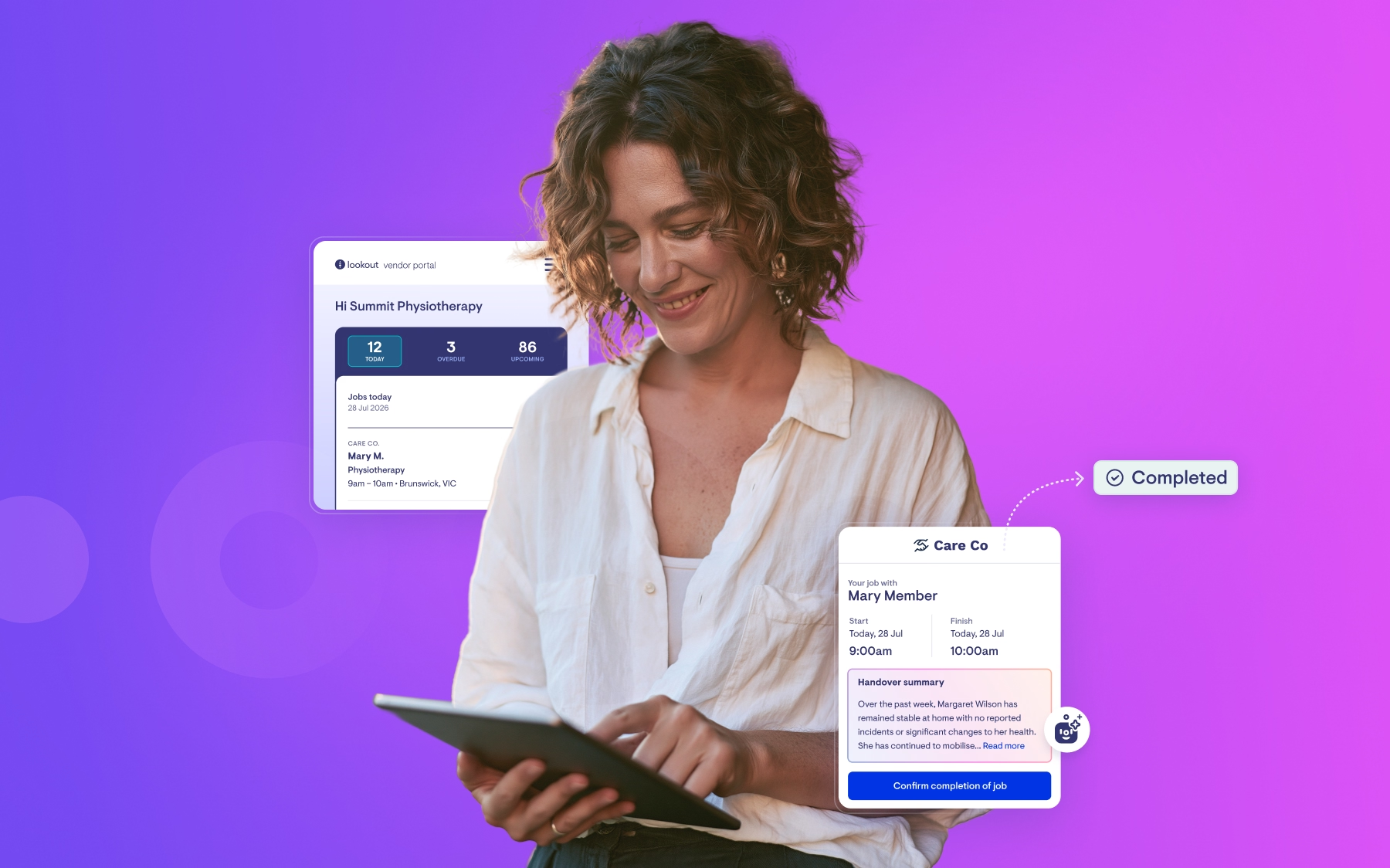
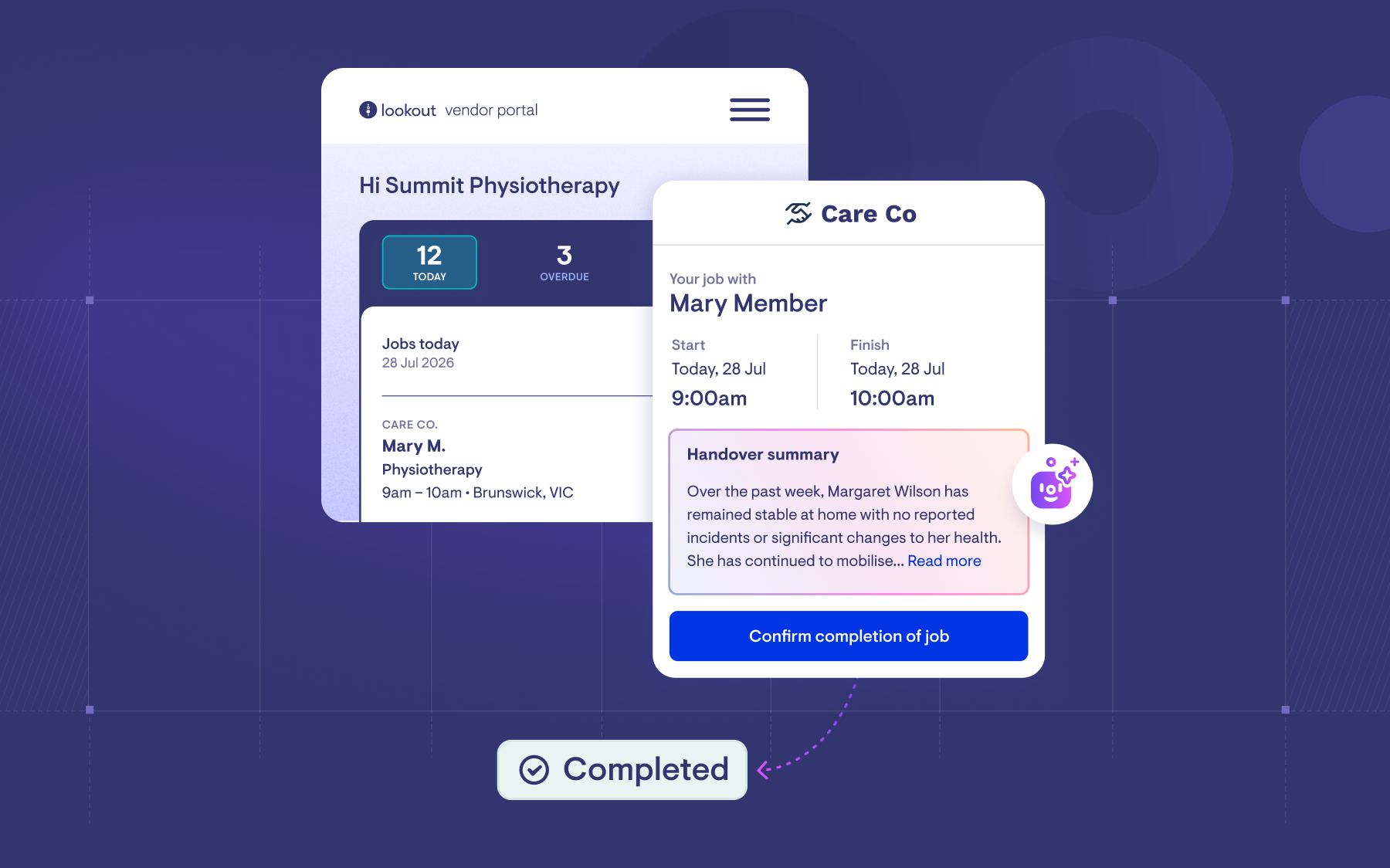
In the near term, Connected Care establishes full visibility and accountability for third-party service delivery without forcing providers to change how they create or send purchase orders. Once an order is placed, delivery becomes provable, traceable, auditable and claimable only on confirmed service. Suppliers can confirm delivery via a portal, secure link, or QR-enabled workflow, with third-party workers completing a comparable checkout to first-party workers. Non-delivery and cancellation reasons are retained and auditable, strengthening both compliance and dispute resolution.
As the model matures, Connected Care moves from visibility to genuine collaboration across the ecosystem: discovering suppliers by service area and pricing, booking services from within Lookout, sharing relevant care plan summaries to support safe delivery, confirming expected delivery with clients and families, and reconciling invoices efficiently to speed up both claims and supplier payments. The result is fewer complaints, lower administrative burden, and stronger financial control while meeting Support at Home’s accountability expectations for associated-provider services.
There is also a longer-term strategic dimension. When a platform becomes the trusted system of record for third-party delivery - verification, proof, reconciliation and auditability - it starts to function as an orchestration layer for the wider ecosystem. Over time, this creates the foundation for new operating models and new economics, including usage-based services (e.g., per invoice matched or per claim validated) and supplier participation models. But the sequencing matters: monetisation only works when adoption is deep enough that the operating dependency is real. Connected Care is designed to build that dependency by first solving the problems providers feel every day: disputes, reconciliation drag, and lack of visibility.
Capability highlights (Coming June 1 2026):
- Proof of Delivery: delivery confirmations captured and retained as auditable events.
- Supplier checkout via secure link / portal / QR: third-party workers complete comparable checkout steps to first-party workflows.
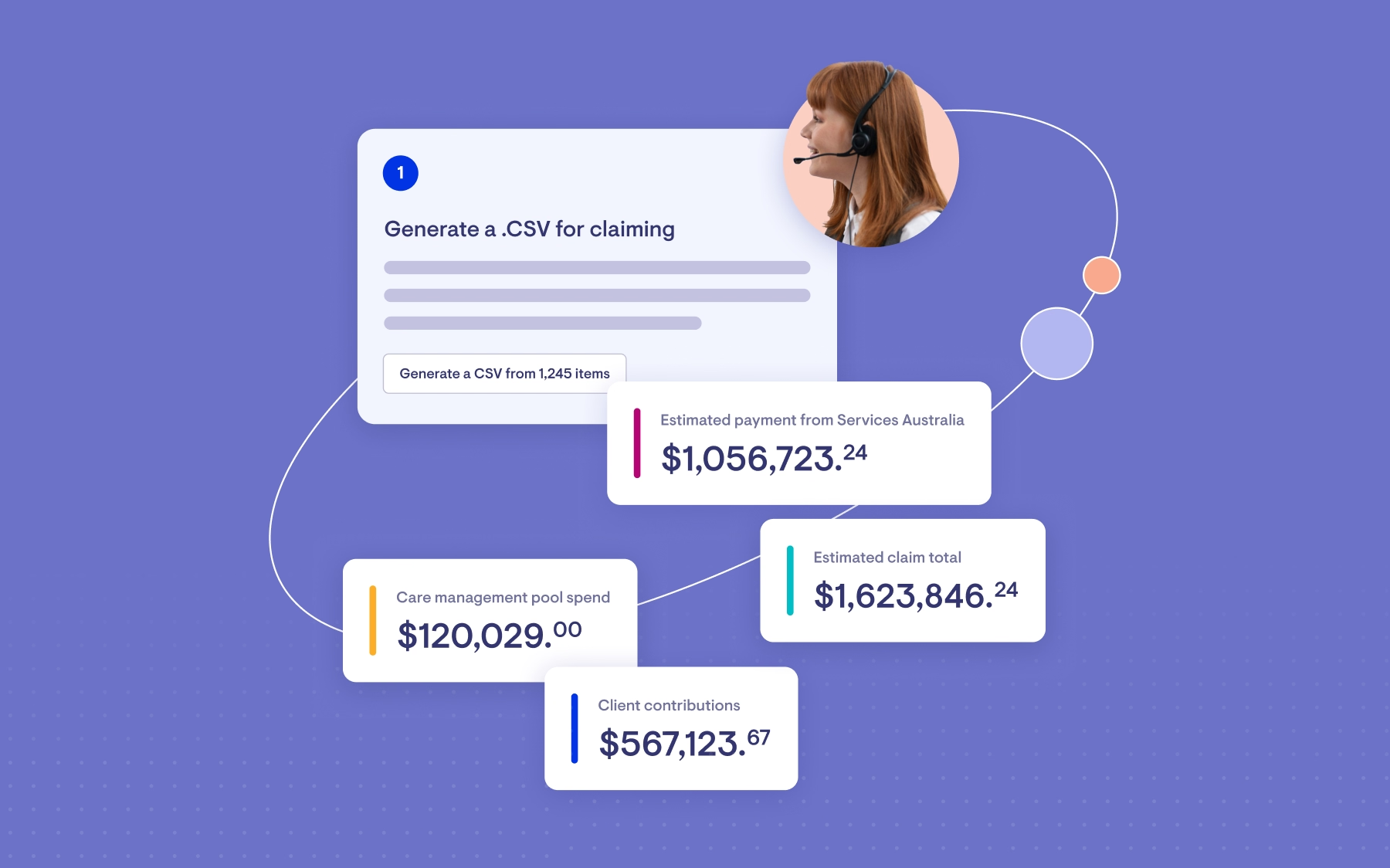
- Acquit service on delivery: strengthen claiming integrity by ensuring services become claimable only when confirmed.
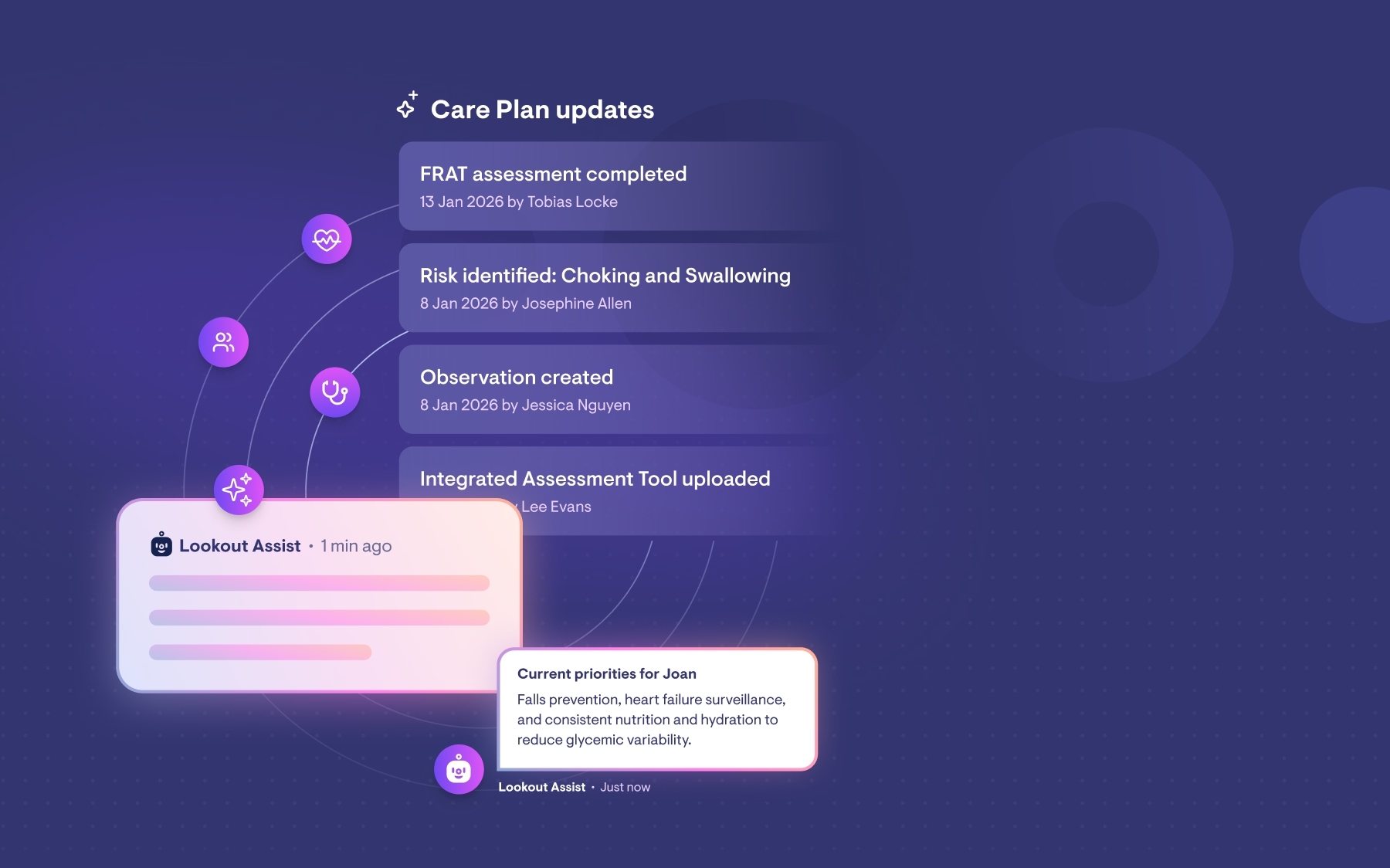
- Assist-powered handover summaries: share service-specific context to reduce risk and support continuity.
Key takeaways
- Support at Home increases accountability for associated-provider delivery; operating models must evolve from “trust and chase” to “prove and reconcile”.
- Proof of delivery reduces disputes, accelerates claiming, and materially improves audit readiness.
- Visibility and exception management are margin levers as much as they are compliance levers.
- Connected Care is a foundation for future ecosystem collaboration and new value pools, but only if it first makes day-to-day delivery dependable.
Map your associated-provider workflow end-to-end (PO → delivery → exceptions → invoice → claiming). Identify where you lose visibility, where reconciliation becomes manual, and where you cannot evidence service quickly. Those gaps define your fastest path to improved compliance and working-capital performance.